A Child Has a Brain and a Body. Why Did Education Separate Them?
By Adinath Naik, Founder, Athletots
I have never seen a four-year-old naturally divide the day into “brain time” and “body time.”
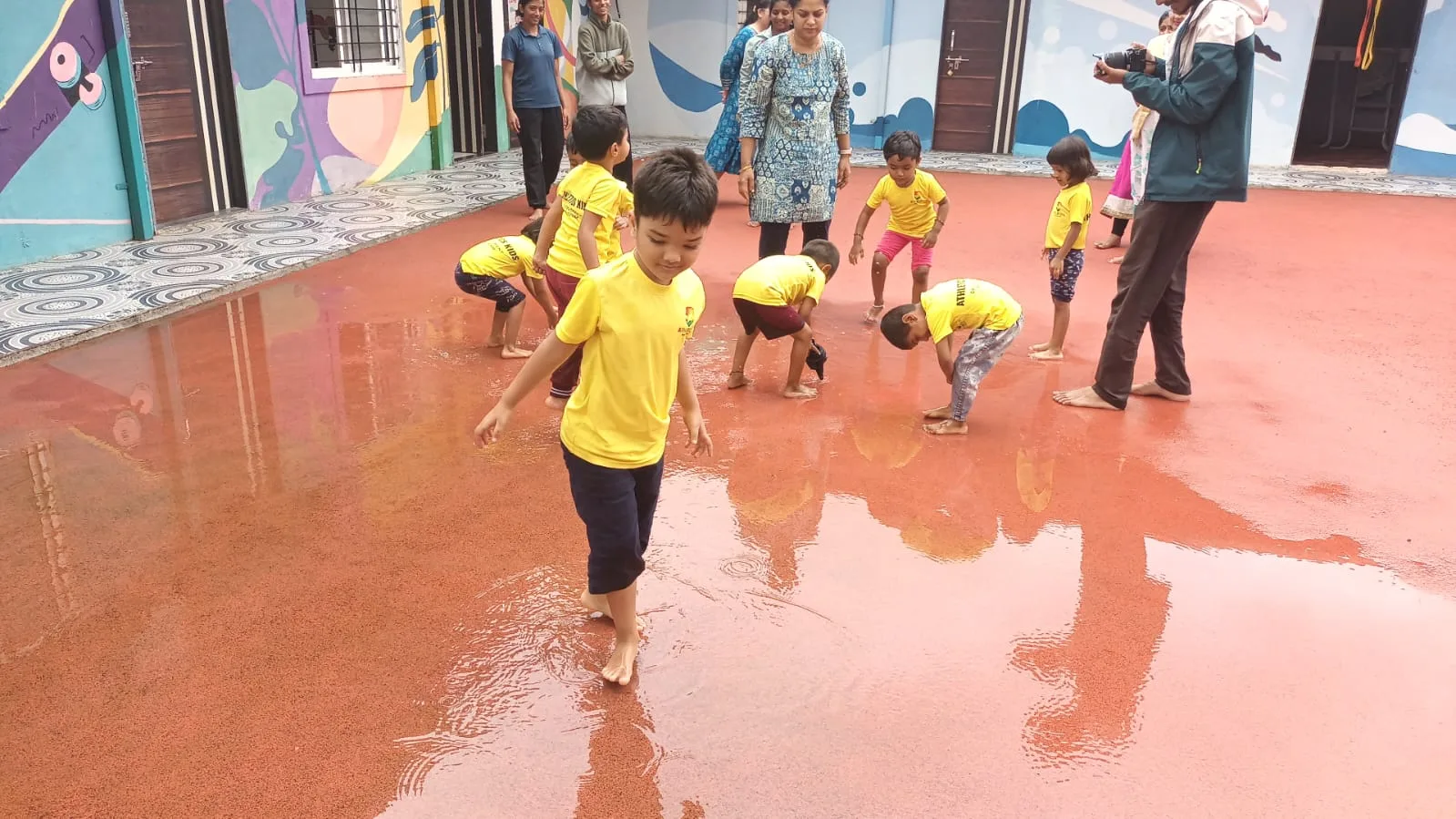
Children run while imagining. They speak while building. They count while moving objects.
They negotiate while playing. They learn about height by climbing, distance by travelling and force by pushing or throwing.
Yet adults have built systems that often separate these experiences. The classroom is for learning.
The playground is for play. The sports academy is for the body. Health is discussed somewhere else.
I have always found that separation strange.
A child does not leave the body outside the classroom door. The body is part of how the child experiences the world.
This does not mean that every academic concept must become a sports drill. It also does not mean
movement magically makes every child academically stronger. Those would be simplistic claims.
What it means is that movement can create meaningful situations for attention, decision-making,
language, spatial understanding, problem-solving, cooperation and self-control.
At Athletots, this distinction matters.
If children are learning heavy and light, they can handle objects, predict which is heavier and
explain why. If they are learning near and far, they can experience distance. Numbers can appear
while grouping equipment, counting steps or organising objects. Language can develop while
describing an outdoor experience. Science can begin with noticing what actually happens in the environment.
The goal is not to make the classroom disappear. The goal is to expand what we consider a classroom.
The same principle applies in the other direction. Sport is not simply a place where the brain
switches off and the body performs. Every game contains perception, decisions, timing, anticipation, communication and adaptation. A child changing direction because another player moved has processed information. A child adjusting a throw after missing has received feedback and changed a solution.This is why I see education and sport as related developmental environments.
Our Four Pillars grew from this view. Education with Understanding asks children to connect ideas
instead of only memorising them. Sports Literacy builds a broad movement and sporting vocabulary. Health Literacy gradually helps children understand their own body and habits. ATHLETOTS | Founder's Journal Outdoor Education places learning in environments that are less controlled and often more demanding.
Together, they acknowledge something simple: the child is one system.
When we design programmes around that reality, we stop asking whether learning or movement is more important.
We start asking a better question:
What combination of experiences will help this child think, move, communicate, adapt and grow?
That is the question Athletots is trying to answer every day
Enrolments are open
Come see it for yourself.
The best answer to any question about Athletots is one hour on our campus. Bring your child and watch a real session.