ATHLETOTS PIONEERS · PASHAN, PUNE · AGES 2 TO 6
Where every subject comes alive through movement and play.
The full curriculum — maths, language, science — taught mid-relay and mid-obstacle-course.
Maths, language, and science come alive mid-relay and mid-obstacle-course — the same full curriculum, delivered the way a young child's brain is actually wired to take it in.
Parents tell us the shift is obvious fast — a child who runs in mid-sentence about the morning's obstacle course, already asking when they get to go back.


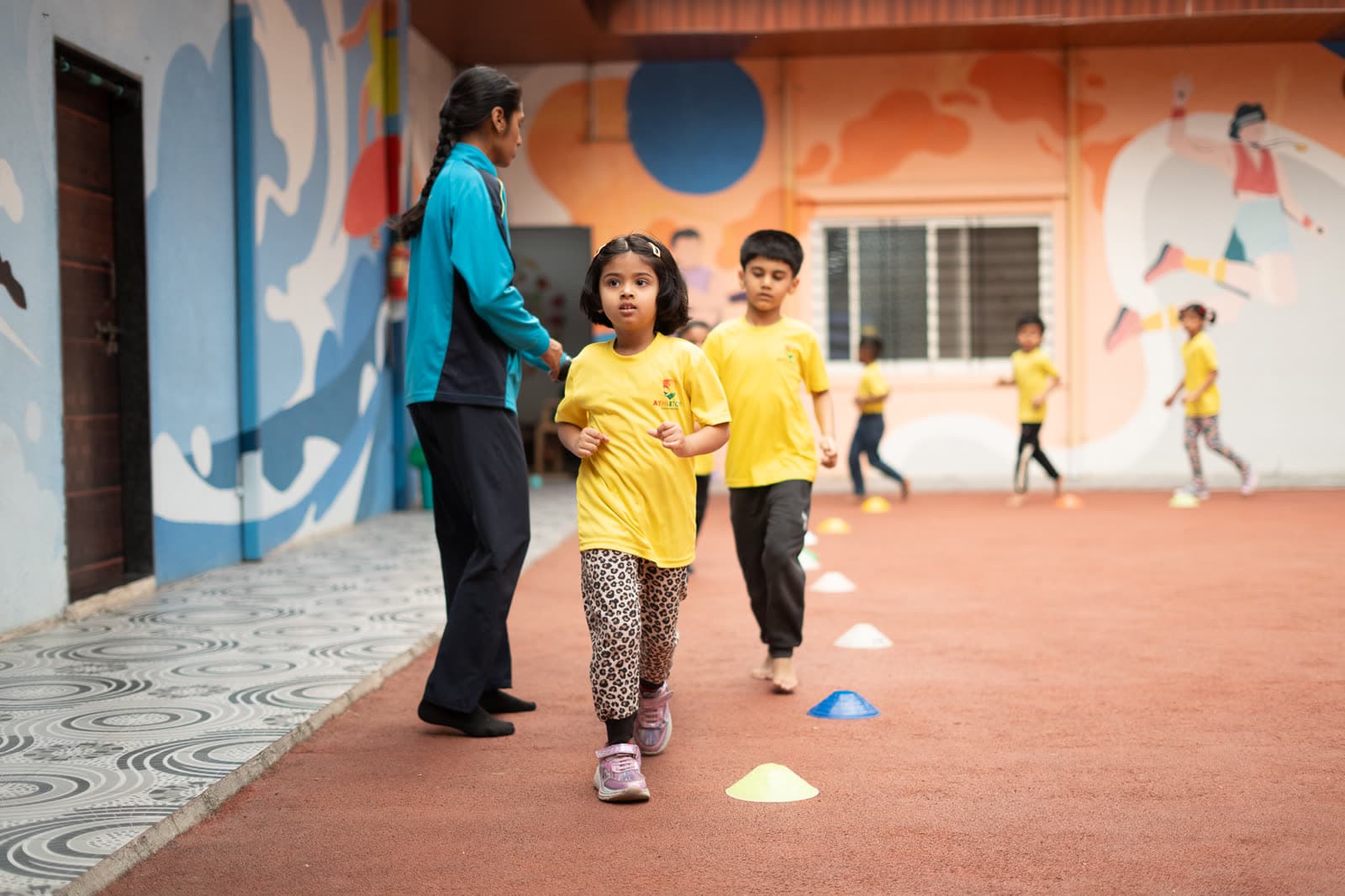
SAME SUBJECTS. COMPLETELY DIFFERENT MORNING.
This is a full school — every subject, out in the open.

Your child counts while running a relay, learns what force means by kicking a football as hard as they can, and reads and writes through team games out on the field. Underneath the fun, real growth is happening — coordination, early numeracy, language and confidence, social skills like sharing and turn-taking, and the everyday independence of getting dressed and managing mealtime. The lesson goes in through the body, and it stays there.
Maths, science, English, EVS — the full curriculum a child this age is meant to cover, covered completely, and tracked across eight real growth areas every term. What changes is simply how it's taught.
We're shaping school around the way a young child's brain actually learns — through movement, through doing, through trying again until it clicks.
FOUR LEVELS, ONE MORNING ROUTINE
Age tells us where to start.
Your child tells us how fast to go.

Foundation|Ages 2 to 3
This is where it starts — through touch, movement and sound, because that's how children this age actually take in the world. Every session is outdoor, play-led and pressure-free: body awareness, first words, listening, and the quiet confidence of working something out alone.

Nursery|Ages 3 to 4
Numbers and letters show up inside games. A child who counts while running a relay remembers the count. A child who traces a letter in sand while talking about it learns to read faster. Just learning that actually sticks.

Junior KG|Ages 4 to 5
The full curriculum begins. Maths, science, English, EVS — delivered through structured sport, every single morning. It's NEP 2020's early-years vision, brought fully to life. Your child is doing real school. It just feels like play to them.

Upper KG|Ages 5 to 6
Subjects go deeper. Sessions get more structured. Children start owning their own learning — asking questions, connecting ideas, working out what went wrong. By the time they leave Pioneers for primary school, they walk in ready. And still asking to go back.

INDIA'S EDUCATION POLICY SAID IT. WE BUILT IT.
In 2020, India rewrote what early
school should look like. This is that rewrite, built.
India's National Education Policy called for a shift most schools are only beginning to make. It said young children learn best through play and movement — active, hands-on, always moving.
It asked for foundational literacy and numeracy to come through experience. It put physical education right at the centre of early learning. And it asked schools to look at the whole child, well beyond the exam score.

- ◆Learning through play and movement, the way young minds actually absorb it
- ◆Foundational literacy and numeracy through experience
- ◆Physical education placed at the very centre
- ◆Assessing the whole child, far beyond the exam score
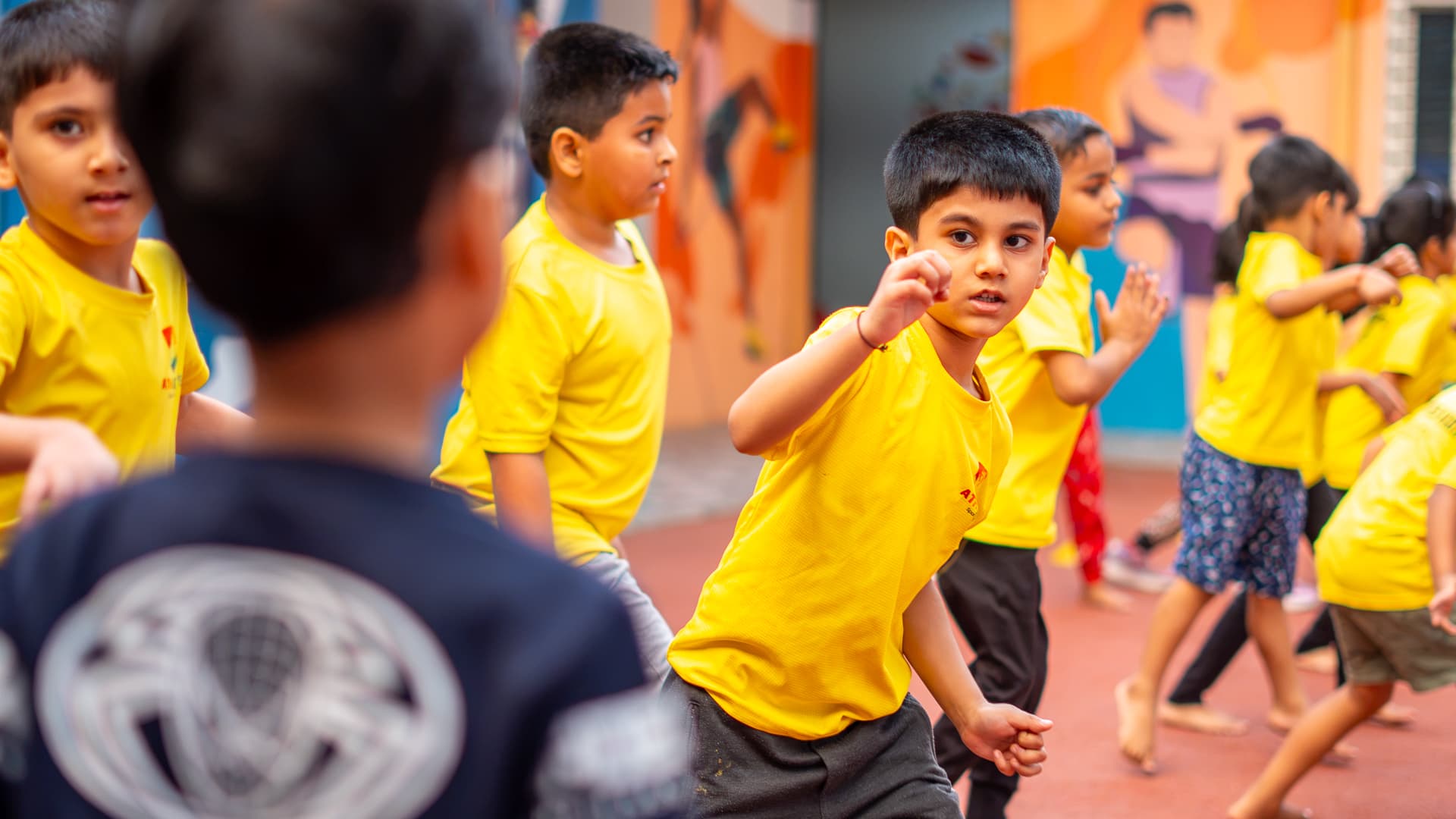
- ◆Every session is outdoors, physical, sport-led
- ◆Maths, reading, writing — taught through movement
- ◆Sport itself is the teaching method
- ◆A 360° view of your child — academic, physical, social, emotional
EVERY DAY HAS A PURPOSE
A week at Pioneers.
Structured, with room to breathe. Every session sits inside a rhythm of movement, learning, and rest — built entirely around real meal and hydration breaks.
Morning batch
Mon – Thu- 9:30 – 10:30Physical trainingMovement
- 10:30 – 11:00Meal & hydration break
- 11:00 – 12:00Movement-based learningAcademic
- 12:00 – 12:30Nutrition break
- 12:30 – 1:00Sports literacy sessionAcademic · Sport

YOU'LL KNOW LONG BEFORE THE REPORT CARD ARRIVES
The change shows up at
the dinner table first.
Most Pioneers parents already know something's changed well before the progress report arrives. It shows up early — in what their child says, asks, and does at home.
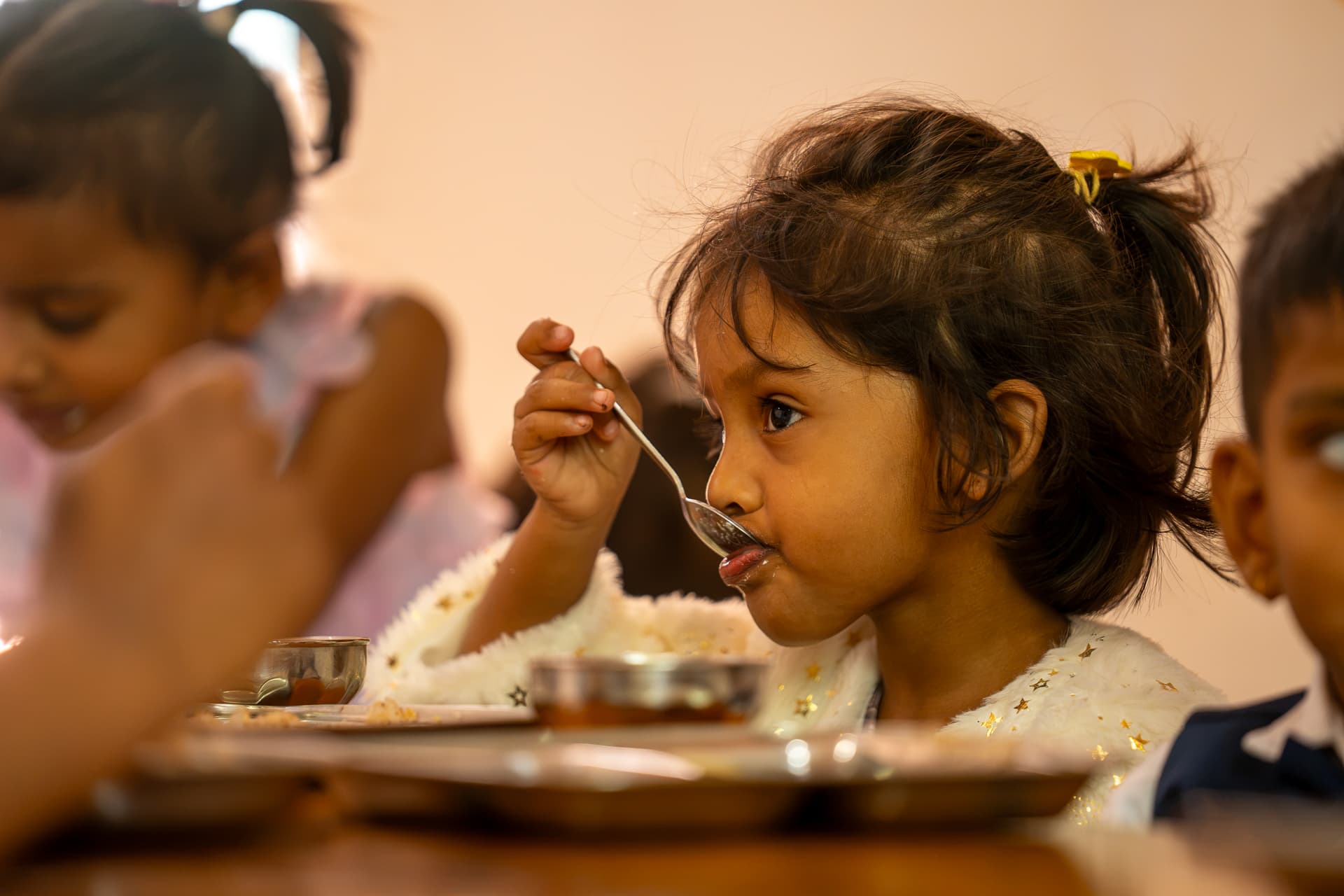
Week 1-2
Your child starts telling you the actual thing they did, instead of the usual shrug: We played this and I figured out how to...

Week 3-4
The questions start arriving — why the ball curved, how fast they actually ran, how the game works. Curiosity switches on.
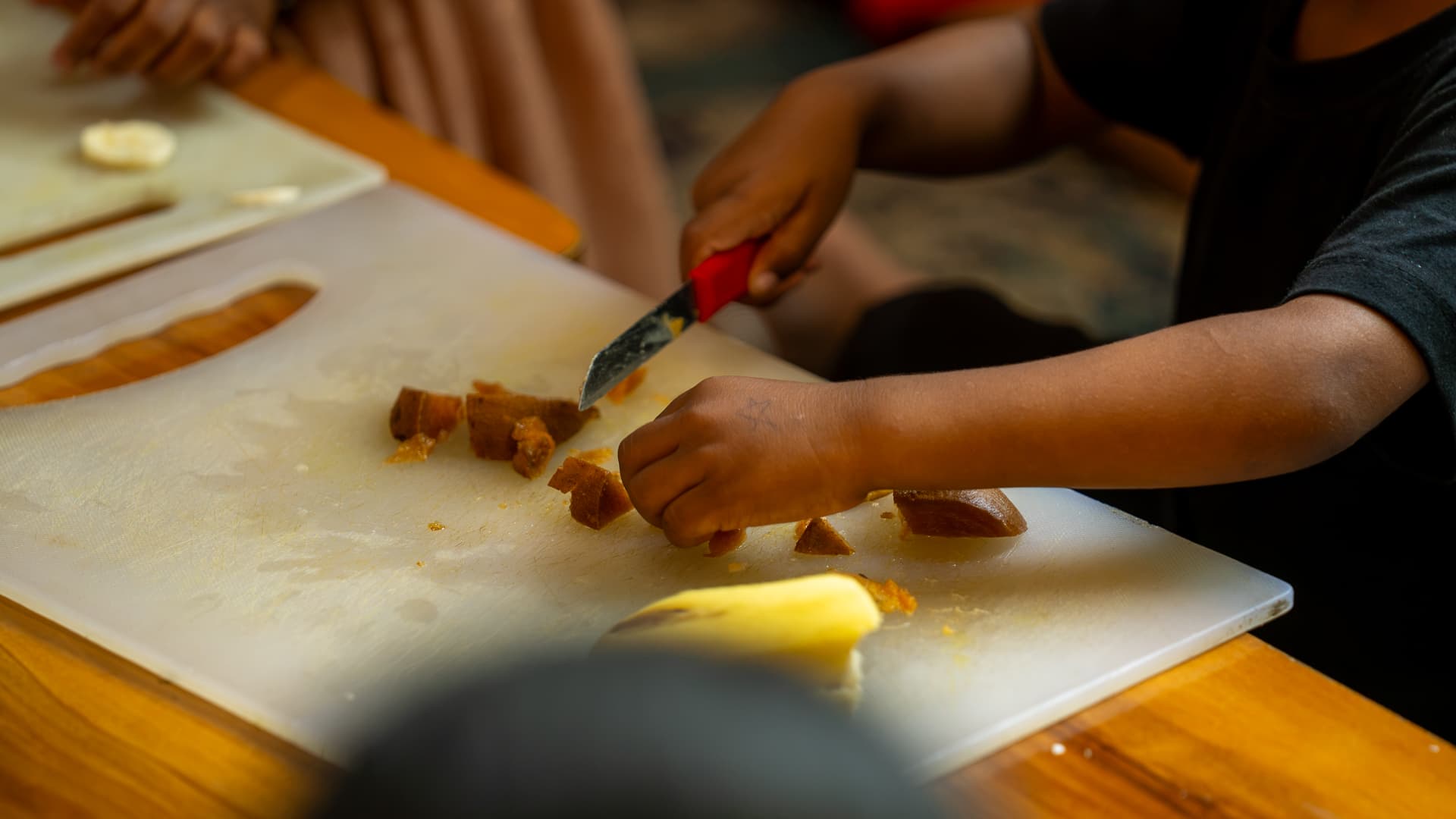
Month 2
The things they struggled with — counting, reading, writing — start clicking. Because they lived it first, then heard it.

Month 3+
Confidence shows up next. They try things they would have avoided a term ago — at school, and everywhere else too.


THE PERSON YOUR CHILD SPENDS EVERY MORNING WITH
Eight children. One mentor.
That's the whole design.
In a Gurukul, the teacher knew every student's character, deeply. Where they got stuck. The exact moment something clicked. Every Pioneers mentor is held to that same standard.
Maximum eight children per mentor, always. Your child's mentor knows their name from day one, notices the morning something's off, and calls you that same evening — well ahead of any report three weeks later.
Your child is known by name here. They are the whole point.


ENROLMENTS ARE OPEN — ROLLING, YEAR-ROUND
The next step is simply a visit.
Eight children per mentor is a real structural limit — the same ratio, every level, every morning.
So start with a visit. Bring your child. Watch what happens when they walk onto the campus for the first time. That usually tells you everything you need to know.