
OUR CAMPUS
Every corner
is a classroom
We started with the question first: what does a child's
body and mind need to do their best work? Then we built every space around that answer, so
every corner earns its place. The arena, the court, the lab, the zone — each one is working, every single day.
WHY SPACE MATTERS
The space itself
is part
of the lesson.
A child learning in an open, physical space feels better and thinks better. Attention sharpens. Ideas that would stay stuck on a worksheet turn into something they have actually felt in their hands and feet. A good campus does real work.
Every space at Athletots was built around one question: what does this room need to do for the child standing in it?
SPACE BY SPACE
A closer look at
the campus.

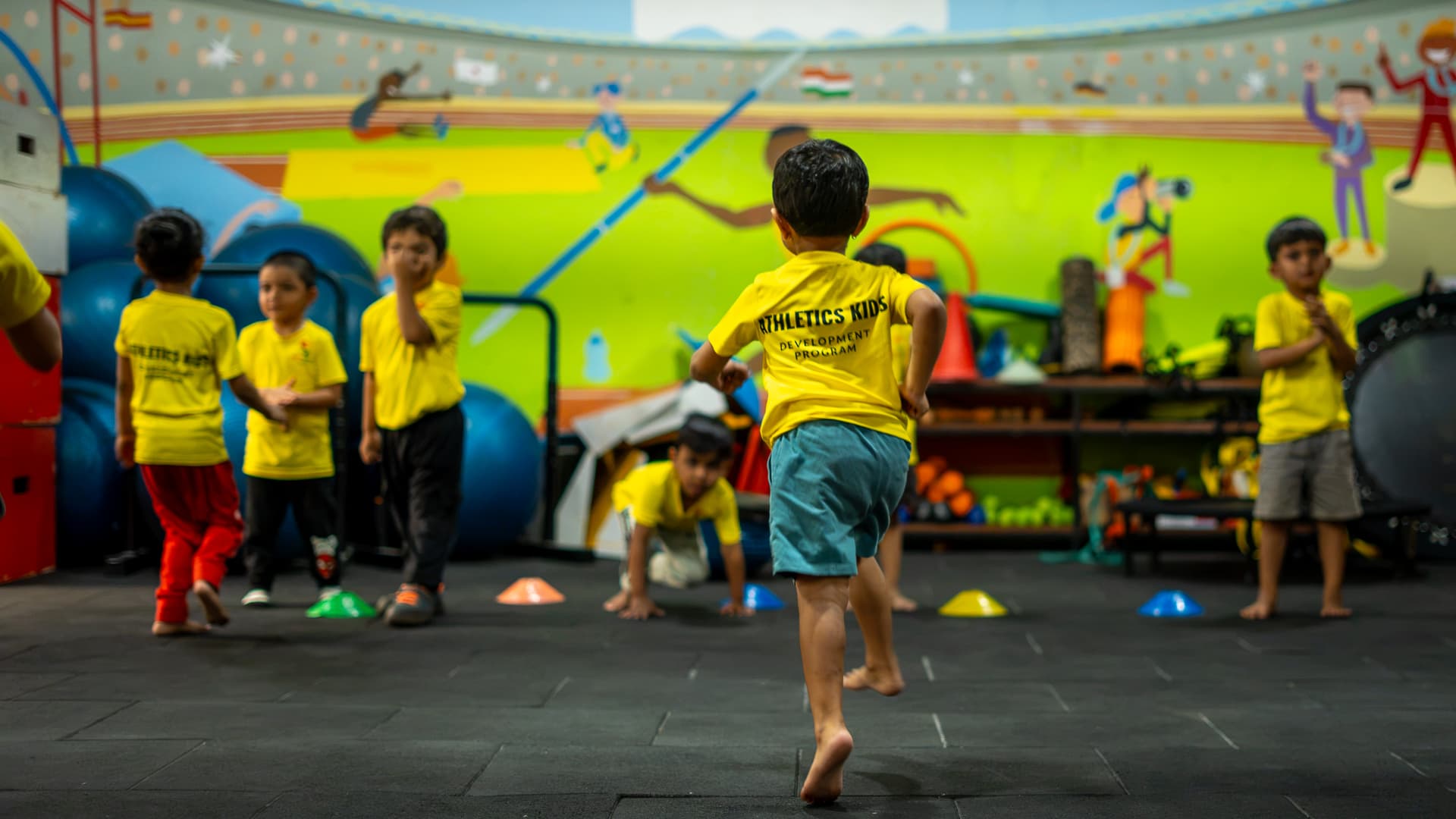
Sports Lab
Indoor training floor, used across both schools.
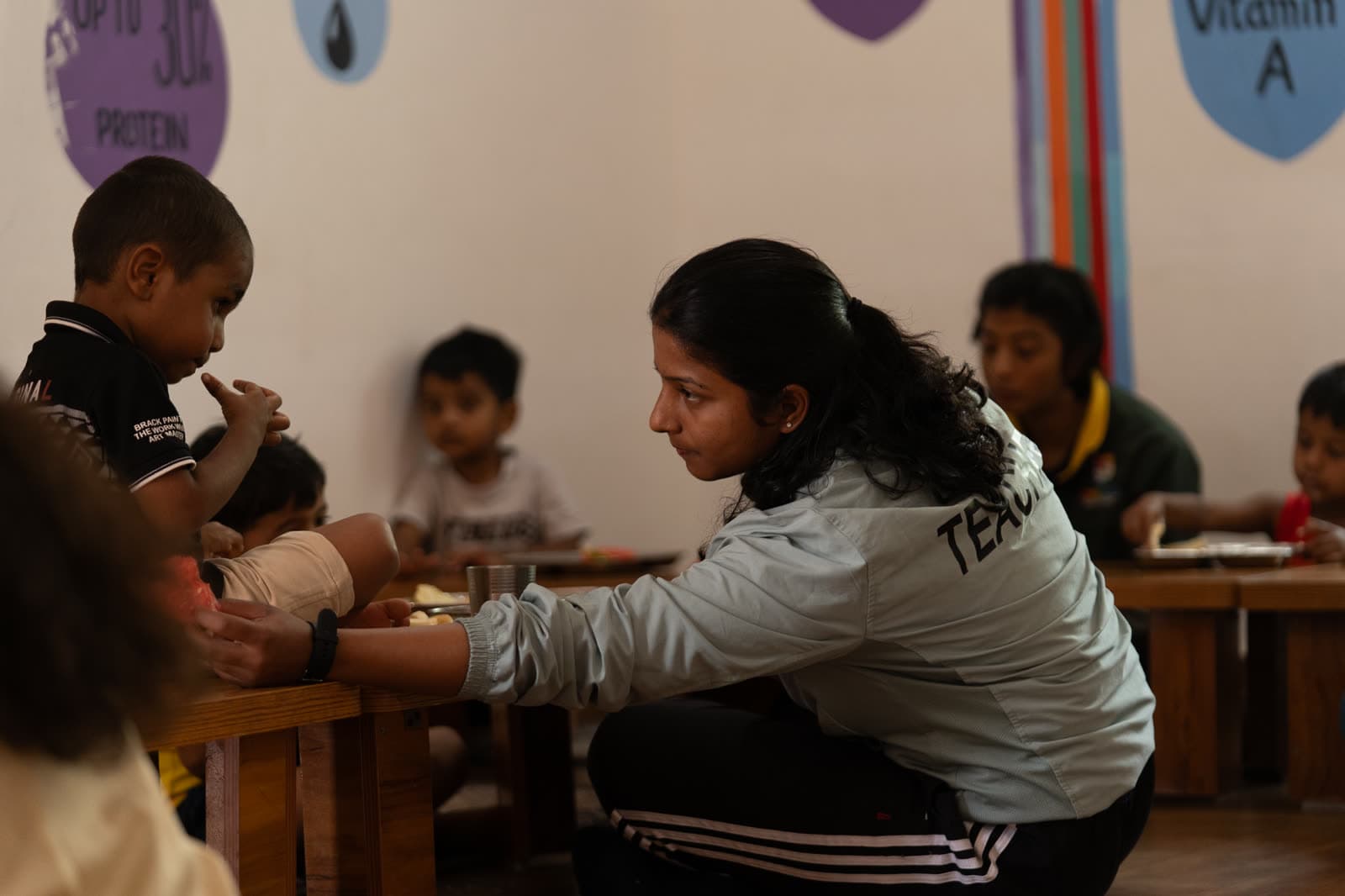
Nutrition Lab
Where meals and nutrition habits are part of the day.
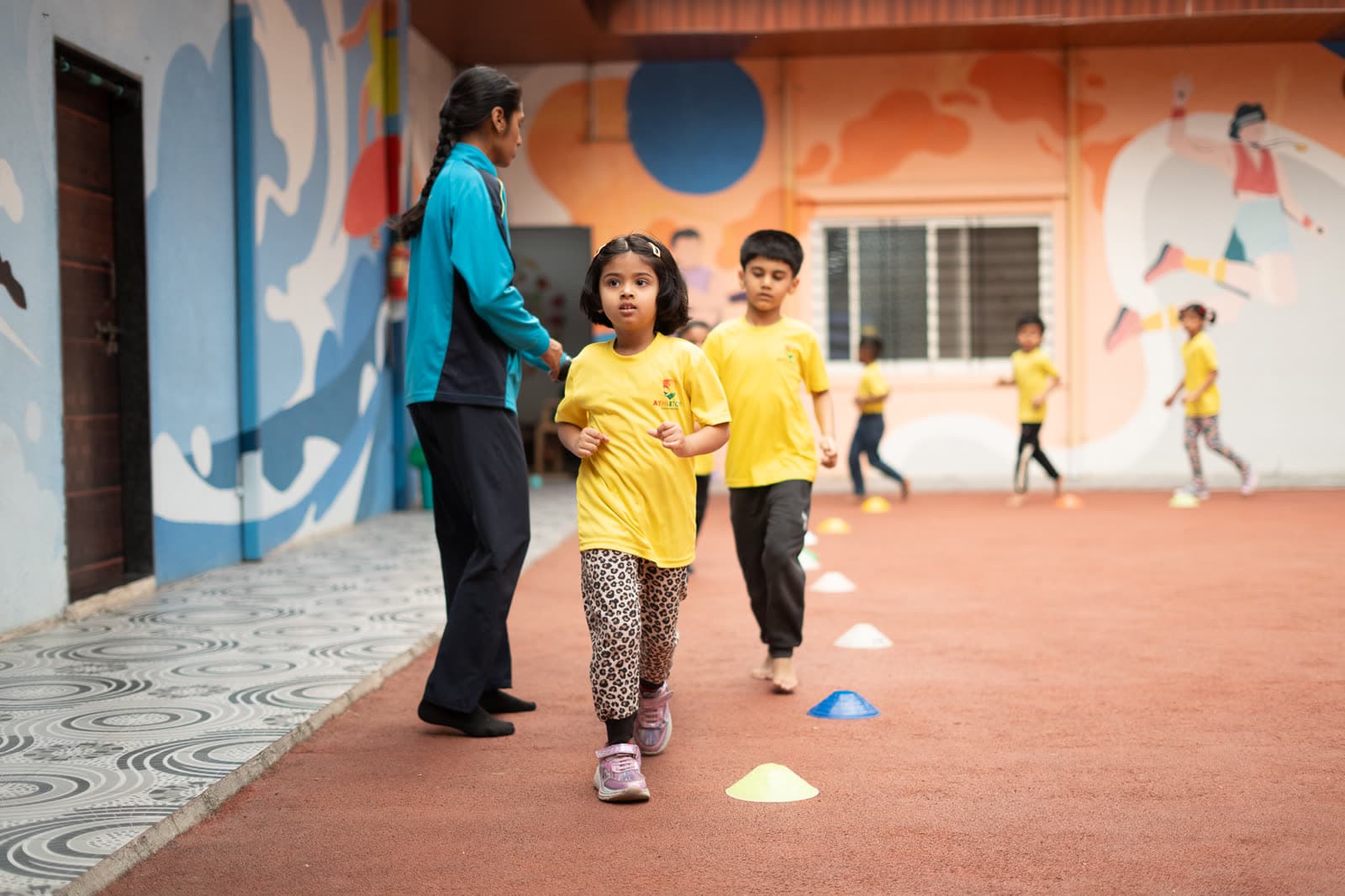
Athletic Playing Area
The outdoor track, where sessions run every day.
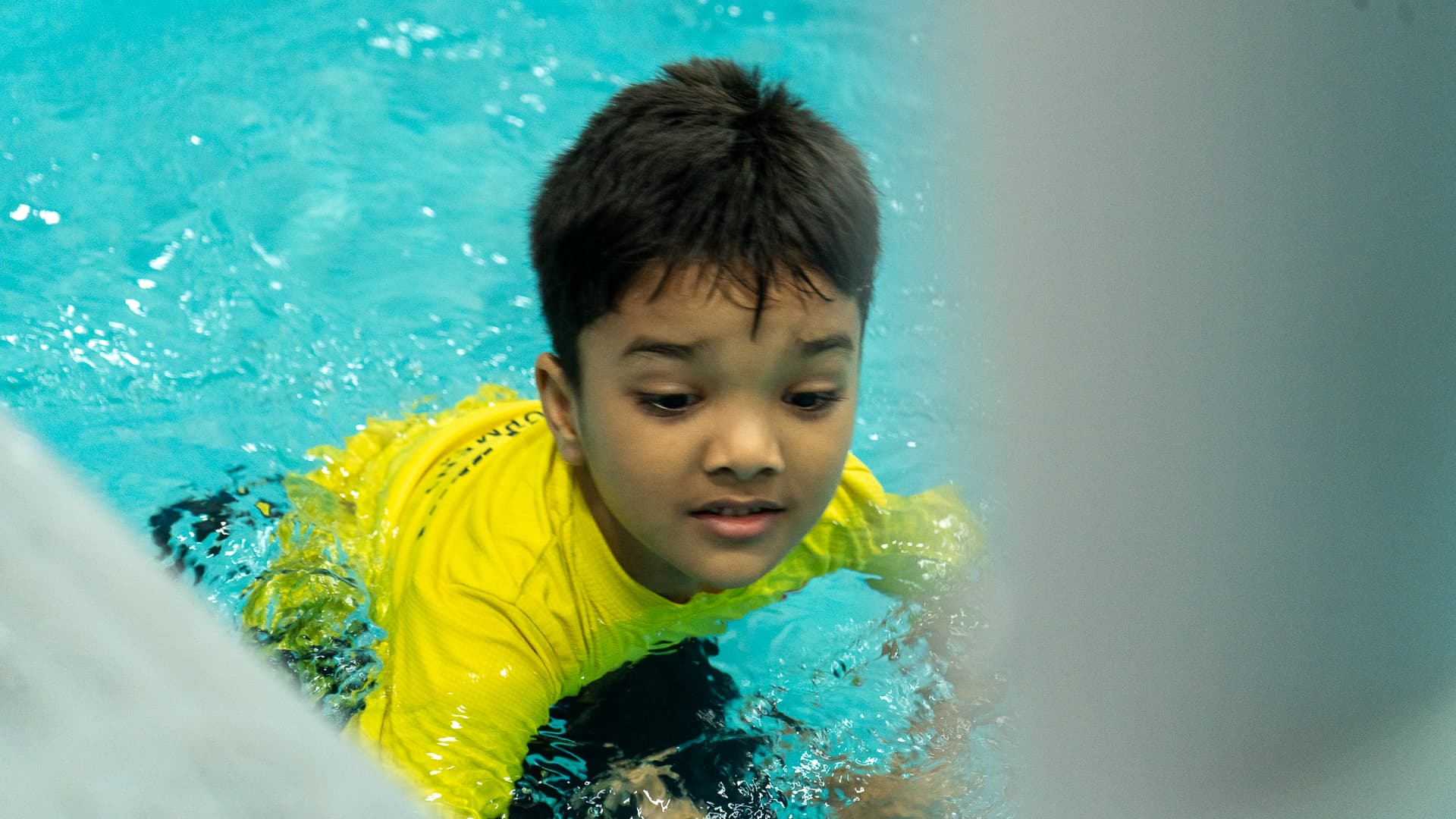
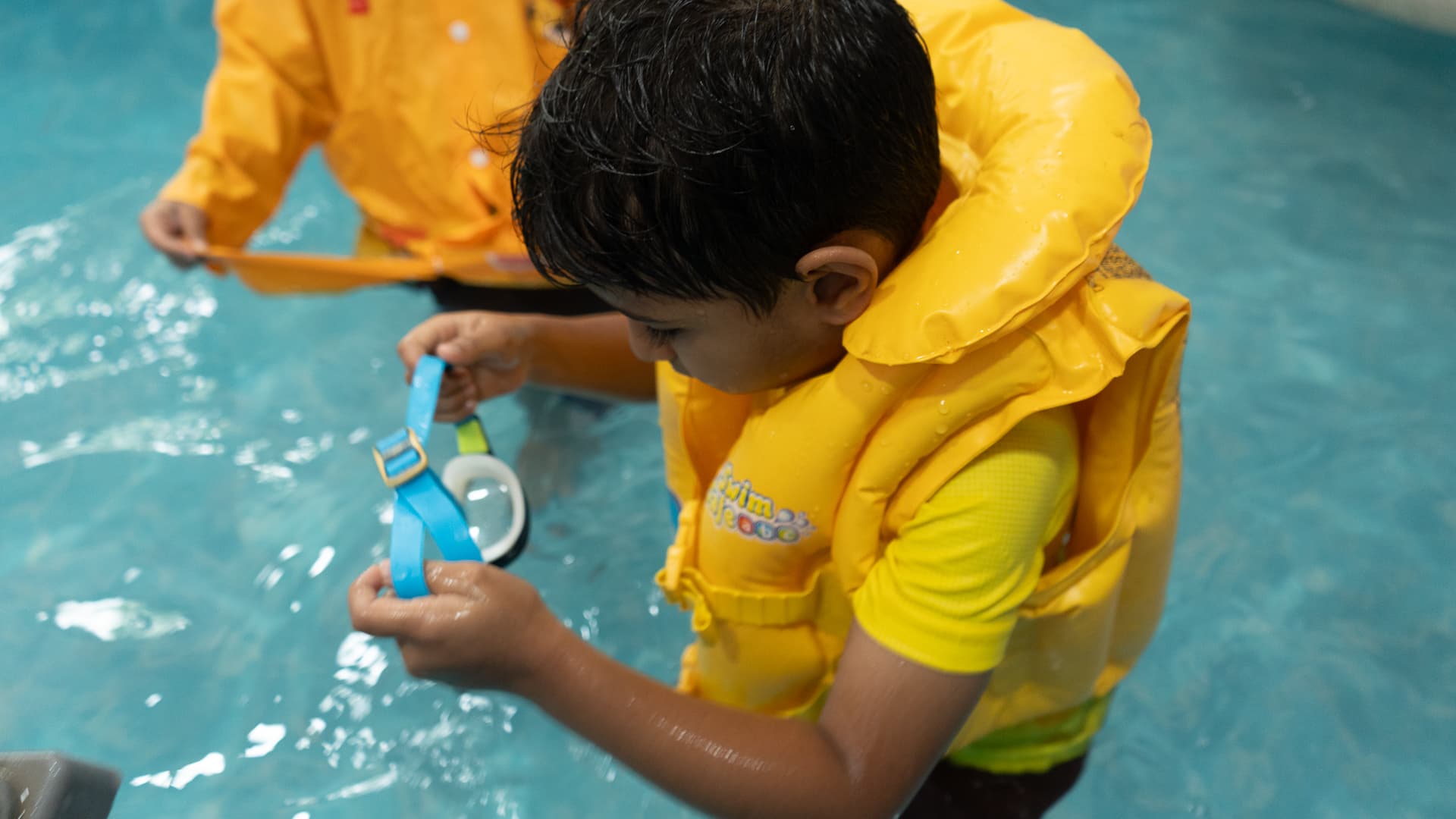
Aquatic Room
Where every child learns to swim, at their own pace.
Kirti Garden
Our outdoor green space. Photography for this space is on the way.
OUR TOP PRIORITY
Safe enough to fall.
Safe enough to try.
We chose that phrase on purpose. We want children taking real physical and intellectual risks — trying the harder move, asking the tricky question. That only works if the campus underneath them is built, equipped and staffed to hold it.
Flooring & Surfaces
Every indoor space runs on professional, sport-grade padded flooring. Outdoor courts are non-slip and all-weather, with every edge that could catch a fall kept clear and cushioned.
Supervision Ratios
A maximum of 8 children to a mentor, at all times, in every session. Ages 2 to 4 get an even smaller group. Every session always runs with at least two adults present.
Equipment Standards
Every piece of equipment is sized for the age group using it, checked regularly, and replaced on a fixed schedule. Age-appropriate sizing is matched exactly, every time.
Campus Perimeter
One entry, one exit, both supervised, on a fully enclosed campus. Every child leaves only with a mentor's sign-off and a parent there to confirm it.
First Aid
Certified first-aid staff on campus for every session. Emergency protocols are drilled every term, and a first-aid kit sits in every zone.
Emotional Safety
Zero tolerance for bullying, comparison between children, or public criticism of any kind. Every mentor is trained to correct a child with respect, keeping their confidence fully intact.
Parent Access
Open campus policy. Walk in and observe any session, any time, appointment-free. CCTV covers the campus too.



WHAT YOU WILL SEE WHEN YOU VISIT
Walk in as a parent.
Leave as a believer.
The first thing you will notice is the sound — something closer to a playground caught mid-focus than a bell, a corridor scrape, or chairs dragging across a floor. Just children who are completely somewhere else, inside whatever they are doing. You will pass the outdoor court where a cluster of eight-year-olds is working through a maths problem that looks, from where you are standing, exactly like a basketball drill. Everybody is doing, all at once. Step into the indoor arena and you will find a mentor down on the floor with five-year-olds, running them through a movement sequence that is quietly teaching them how to follow steps, use words, and hold themselves together when it gets hard. Look into the Movement Lab and you might catch a two-and-a-half-year-old walking a foam beam with the seriousness of someone twice their size, a mentor close enough to catch them, far enough to let them work it out on their own. Most parents plan to stay for twenty minutes. Most end up staying well past that.
PHASE TWO
What you are standing in is Phase One.
The fullest version of the Gurukul model is residential — children learning, living, and growing together, immersed in this environment around the clock. That is Phase Two, and it is already taking shape.

The Athletots residential campus — our full boarding programme — is currently in development. If this matters to you, whether as a parent planning ahead or as someone who wants to help build it, we would like to talk.
- A residential campus (Phase Two)
- More land for outdoor learning
- A dedicated sports science research facility

SEE IT IN PERSON
Seeing it in person is
something else entirely.
Come walk through it with your child.
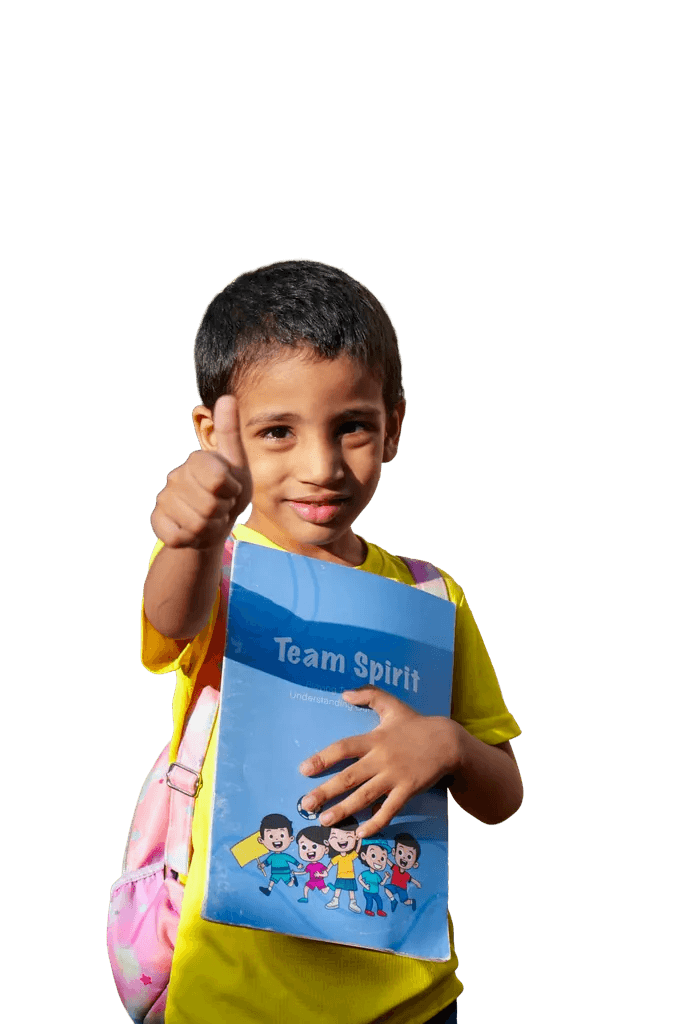
The campus is open to visits every day. Bring your child. Watch their face when they walk in. That usually tells you everything you need to know.
Enrolments are open on a rolling basis. Every batch stays small, entirely by design.